Compliance
Lobbying Compliance and Campaign Finance Deadlines in November 2026
October 30, 2026 | Izzy Aaron, Karen Kulivan
November 2, 2026 | Lauren Calhoun
Key Takeaways:
With the 2027 lobbying registration season approaching, several state and local jurisdictions have increased registration fees or made changes to existing fee structures. Recent updates in Washington, D.C., New York State, Palm Beach County, FL, San José, CA, and Houston, TX may affect registration costs for lobbying firms and organizations preparing for the upcoming year.
Beyond higher registration fees, some jurisdictions are changing how fees are assessed and collected. New York has eliminated prorated registration fees, while Palm Beach County has replaced a one-time registration fee with an annual charge per principal. Meanwhile, Washington, D.C., and San José have implemented multiple fee increases in recent years. With registration deadlines approaching, filers should plan for the higher costs.
But it's not all bad news. One welcome change for 2027: California is replacing its aging Cal-Online and Cal-Access with a new system that is able to process lobbyist payments on its own. This change, in addition to the use of an all-electronic registration system, will make the registration process more efficient than in prior years.
Effective October 1, 2026, the District of Columbia increased the standard lobbyist registration fee from $350 to $500, a $150 increase. Registration fees for lobbyists representing qualifying 501(c)(3) nonprofit organizations also increased from $100 to $250. Additionally, the District expanded eligibility for the reduced nonprofit rate to include lobbyists representing qualifying 501(c)(4) organizations. The changes were authorized through the District's FY 2027 budget legislation.
This is the second registration fee increase for D.C. in two years. In October 2024, standard registration fees increased from $250 to $350, while nonprofit registration fees increased from $50 to $100. As a result, the standard lobbyist registration fee has doubled since 2024.
Also effective October 1, 2026, Palm Beach County increased the lobbyist registration fee from a one-time $25 fee per registration to a $200 annual fee per principal. It is the county's first registration fee adjustment since 2009. According to county officials, the previous $25 fee no longer reflected the administrative costs associated with maintaining the Central Lobbyist Registry. In addition to the higher fee, lobbyists are now required to renew registrations annually for each principal represented. Under Ordinance No. 2026-010, the registration fee is also subject to annual adjustments based on the Consumer Price Index (CPI).
New York increased the lobbyist registration fee through the FY 2026–2027 state budget, replacing the previous $200 biennial fee with a $250 annual fee. Previously, registrations submitted during the second year of the biennial cycle and covering only the remaining year were subject to a reduced $100 fee. Under the new structure, the $250 fee applies for each calendar year covered by a registration, eliminating the previous prorated fee. New York's biennial registration process remains unchanged. The upcoming registration cycle will still cover 2027–2028. However, a registration covering the full two-year period will now incur $500 in registration fees, compared to the previous $200. The New York State Commission on Ethics and Lobbying in Government (COELIG) cited funding gaps and needed technology improvements when requesting additional funding through increased registration fees. Additional information is available in MultiState's previous article, Major Lobbying Compliance Provisions in New York's 2026 Executive Budget.
Consumer Price Index (CPI)
The Consumer Price Index (CPI) is a measure published by the U.S. Bureau of Labor Statistics that tracks changes in the average prices paid by consumers for goods and services over time. Many government agencies use the CPI to adjust fees, benefits, or tax brackets to account for inflation and maintain consistent real value.
San José has increased annual lobbyist registration fees for two consecutive fiscal years. For FY 2025–2026, the annual registration fee increased from $219.36 to $330.99. For FY 2026–2027, the fee increased again to $421.48 per registrant, representing an additional $90.49, or approximately 27.3%, over the previous fiscal year. Client fees also increased from $150.42 to $154.82, according to the city's published fee schedule. Across the two fiscal years, San José's annual lobbyist registration fee has increased by $202.12 per registrant, approximately 92%. Anyone registering in San José should check the current fee schedule before filing.
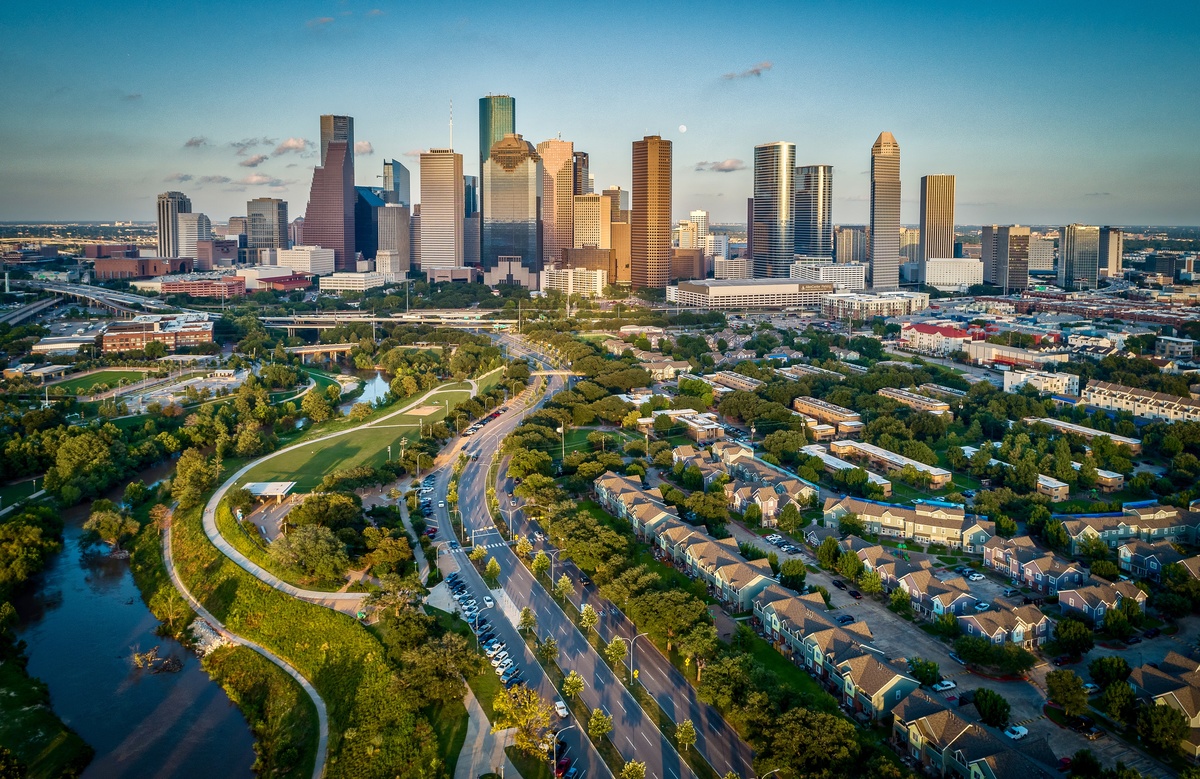
Houston's 2026 lobbyist registration fee is $335.69, effective January 1, 2026. Unlike jurisdictions implementing individual fee increases through new legislation, Houston has an established procedure for adjusting certain municipal fees annually. Under Administrative Procedure 4-9, applicable fees are adjusted each January 1 based on changes in the regional Consumer Price Index (CPI). The procedure has been in place since 2012, although Houston City Council has modified or limited annual adjustments in certain years. As of October 2026, the city's 2027 lobbyist registration fee has not been confirmed. Because the adjustment is automatic, the fee can change without any new legislation.
While the five jurisdictions have taken different approaches to registration fees, several common patterns are beginning to emerge. One is the frequency of fee increases. D.C. and San José have implemented multiple increases within a relatively short period, resulting in significantly higher registration costs. In contrast, Palm Beach County introduced a substantial increase after maintaining the same fee since 2009. Another is the changing structure of registration fees. New York eliminated the previous prorated fee for second-year registrations, while Palm Beach County replaced a one-time registration fee with an annual charge per principal. Both changes affect registration costs beyond a simple increase in the fee amount. Annual fee adjustments are also worth monitoring. Houston has an established procedure for adjusting applicable fees based on CPI, while Palm Beach County recently introduced a CPI adjustment provision. Although the existence of a CPI adjustment does not necessarily establish inflation as the reason for a particular increase, the provisions create a mechanism for future changes to registration fees. Although the examples do not establish a nationwide trend, the recent changes demonstrate how registration costs and payment requirements can vary significantly between jurisdictions.
With the 2027 registration season approaching, organizations and lobbying firms should review current fee schedules, payment requirements, and renewal deadlines before submitting registrations. Particular attention should be given to jurisdictions with recently amended fee structures or annual adjustment provisions. Previously paid registration fees may no longer reflect the amount due for the upcoming registration period. Early review of registration requirements and associated costs can help organizations prepare for additional expenses and avoid unexpected fees during an already busy registration season.
Keeping up with rules, deadlines, and often confusing requirements is a daunting prospect for teams of all sizes. Let us manage your federal, state, and local registration and reporting responsibilities, or manage your Campaign Finance program. Read more about our Compliance Services here, or get in touch here.
How much did Washington, D.C. increase its standard lobbyist registration fee effective October 1, 2026?
The standard lobbyist registration fee in Washington, D.C. increased from $350 to $500, a $150 increase, effective October 1, 2026. This followed a previous increase in October 2024, when the fee rose from $250 to $350, meaning the standard fee has doubled since 2024.
What changed about New York's lobbyist registration fee structure for the 2027–2028 biennial cycle?
New York replaced its previous $200 biennial fee with a $250 annual fee, eliminating the prorated $100 option that had applied to second-year registrations. A registration covering the full 2027–2028 two-year period will now incur $500 in registration fees, compared to the previous $200.
How did Palm Beach County change its lobbyist registration fee effective October 1, 2026?
Palm Beach County replaced a one-time $25 fee per registration with a $200 annual fee per principal, the county's first registration fee adjustment since 2009. Under Ordinance No. 2026-010, the fee is also subject to annual adjustments based on the Consumer Price Index.
By how much has San José's annual lobbyist registration fee increased over the past two fiscal years?
San José's annual lobbyist registration fee increased from $219.36 to $421.48 across FY 2025–2026 and FY 2026–2027, a total increase of $202.12 per registrant, approximately 92%. Anyone registering in San José should check the current fee schedule before filing.
How does Houston determine its annual lobbyist registration fee without passing new legislation each year?
Under Administrative Procedure 4-9, Houston adjusts applicable fees each January 1 based on changes in the regional Consumer Price Index, a procedure in place since 2012. Houston City Council has modified or limited annual adjustments in certain years, and as of October 2026, the city's 2027 lobbyist registration fee had not been confirmed.. Before the FAQ section, output <div style="height: 16px;"> on the line immediately above the FAQ heading, matching the spacer used above every other H2.
October 30, 2026 | Izzy Aaron, Karen Kulivan
October 28, 2026 | Karen Kulivan
October 5, 2026 | Ben Zuegel, Vinnie Cannamela