Elections & Campaigns, Health Care & Wellness
MAHA Political Endorsements Target August Republican Primaries
August 11, 2026 | Katherine Tschopp
December 18, 2025 | Brock Ingmire
Key Takeaways:
Created under the sweeping One Big Beautiful Bill Act (OBBBA), the Rural Health Transformation (RHT) Program marks one of the largest federal investments ever aimed at strengthening rural health systems. As created by Congress, it is a $50 billion program with $10 billion set to flow to states each year from 2026 to 2030. The program arrives at a critical moment, as states brace for significant federal Medicaid revenue cuts tied to the OBBBA and rural healthcare facilities stand to be disproportionately impacted by such cuts.
The RHT Program is a state-driven grant program that aims to help states “reimagine care delivery” in rural areas through flexible investments — from modernizing payment models and expanding telehealth to supporting workforce strategies and community-based prevention. The total pool of $50 billion will be distributed to states that submit approved RHT plans via application.
The program is administered by the Centers for Medicare & Medicaid Services (CMS) and structured so that half of each year’s $10 billion is distributed equally across states that have approved plans, while the other half is distributed at CMS’s discretion to support states with compelling initiatives or greater demonstrated need.
Notably, CMS has established defined priorities that they are looking for from states in awarding the discretionary $25 billion fund. This includes expanding evidence-based interventions, advancing technology-enabled care (including remote monitoring, AI, and consumer-facing tools), and strengthening rural health infrastructure through IT upgrades, system “right-sizing,” and innovative care models. Funds can also be used to support provider payments, workforce recruitment and retention, and access to behavioral health and substance use disorder services.
In early November, all 50 states submitted their applications to CMS for consideration. In the vast majority of cases, based on applications that have been made publicly available, states typically requested $1 billion apiece. Five hundred million of that they are all expected to receive due to the statutory requirement that half of the funds must be distributed equally, assuming all applications submitted are approved. The other $500 million is what each state individually requested as part of the discretionary $25 billion fund that CMS can disperse as they see appropriate. Whether CMS will proportionally disperse that discretionary amount in a similarly equal manner will be found out when CMS announces state awards on or before December 31, 2025.
Of note, this is a single application window and CMS does not intend to reopen the opportunity. Meaning that states will have a line of sight into what their total award amount will be in late December for the next five years. However, CMS has also stated that they will recover previously awarded funds if a state fails to fulfill policy commitments outlined in their application by December 31, 2027.
As the RHT program emphasizes community-rooted solutions, several states publicly documented efforts to solicit local input while drafting plans. This included statewide listening tours and town halls, formal public comment processes, and engagement from advisory councils and stakeholders, among other mechanisms. Throughout the application development process, key questions arose that states had to make decisions on, and included some initial hints in their applications about, or will make decisions in early 2026 on, including:
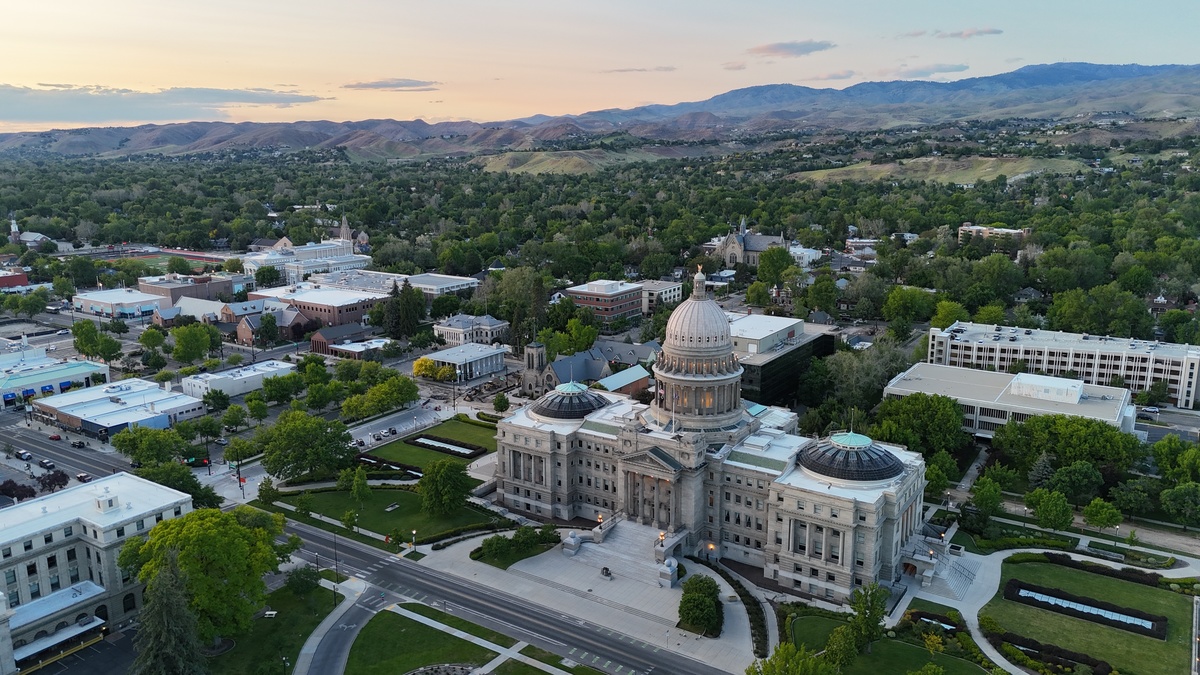
Based on applications submitted across states, this varies. The majority of states are attempting to keep it singular to the administrations, whereas some states (such as Idaho) are bound by constitutional requirements that the Legislature must appropriate federal awarded funds or they want to ensure they are part of the appropriation process.
To a large extent, states have focused their application efforts on: (1) workforce development; (2) advancing technology-enabled care, particularly for chronic disease patients; and (3) redefining the footprint of how certain service lines are delivered in rural areas, among other initiatives.
Most states are intending to develop programmatic opportunities that will not require long-term sustaining investments from the state and are considered one-time investments. However, some states are threading the needle between short and long-term opportunities. For instance, Indiana’s application proposes the state will conduct an alternate payment model feasibility study but then the state will identify sustainable pathways to implement any models and will work to enact any requisite legislation.
This varies considerably from state to state. In some, it will be a procurement process facilitated by a state agency. In other cases, a statewide entity or governing body has been established to dictate how funds will be granted. It varies whether legislators or anyone outside of the Governor’s administration are included in those entities. Even still, some state legislatures are seeking full appropriation authority to award federal funds directly themselves to private entities.
While states undoubtedly will navigate a maze of tens (or hundreds) of other questions related to RHT Program implementation, all are awaiting the notification from CMS as to what their total award is before the end of this month. Once funding decisions are released, states are likely to move immediately in January to stand up internal implementation teams, finalize allocation strategies, engage rural providers and community partners, and begin developing guidance for applicants and sub-recipients.
If you and your organization need assistance navigating how best to engage with state lawmakers and administrations about the Rural Health Transformation Program, reach out to Brock Ingmire or Lisa Kimbrough at MultiState to see how MultiState can help.
August 11, 2026 | Katherine Tschopp
June 8, 2026 | Mary Kate Barnauskas
May 12, 2026 | Mary Kate Barnauskas