-ffe156-400px.jpeg)
Data Centers
Voters in Six States Will Decide Future of Data Center Construction
September 24, 2026 | Kim Miller
December 2, 2025 | Morgan Scarboro, Kim Miller
Key Takeaways:
Although data centers are dominating current news cycles in many states, data centers have existed for decades. So what, exactly, is a data center? Put simply, a data center is a facility that houses computer systems and their associated components such as servers, storage systems, and routers. Data centers have long been essential to the operation of the internet. Northern Virginia, home to the most data centers in the world, processes nearly 70% of global internet traffic. With the rise of AI, and the substantial computing power needed for AI applications to operate, the demand for data centers has exploded.
Let’s take a closer look at some common data center terminology. Having an understanding of these terms is important because many bills that impact data centers do not explicitly mention them and may appear to be very general energy, environmental, tax, or siting bills.
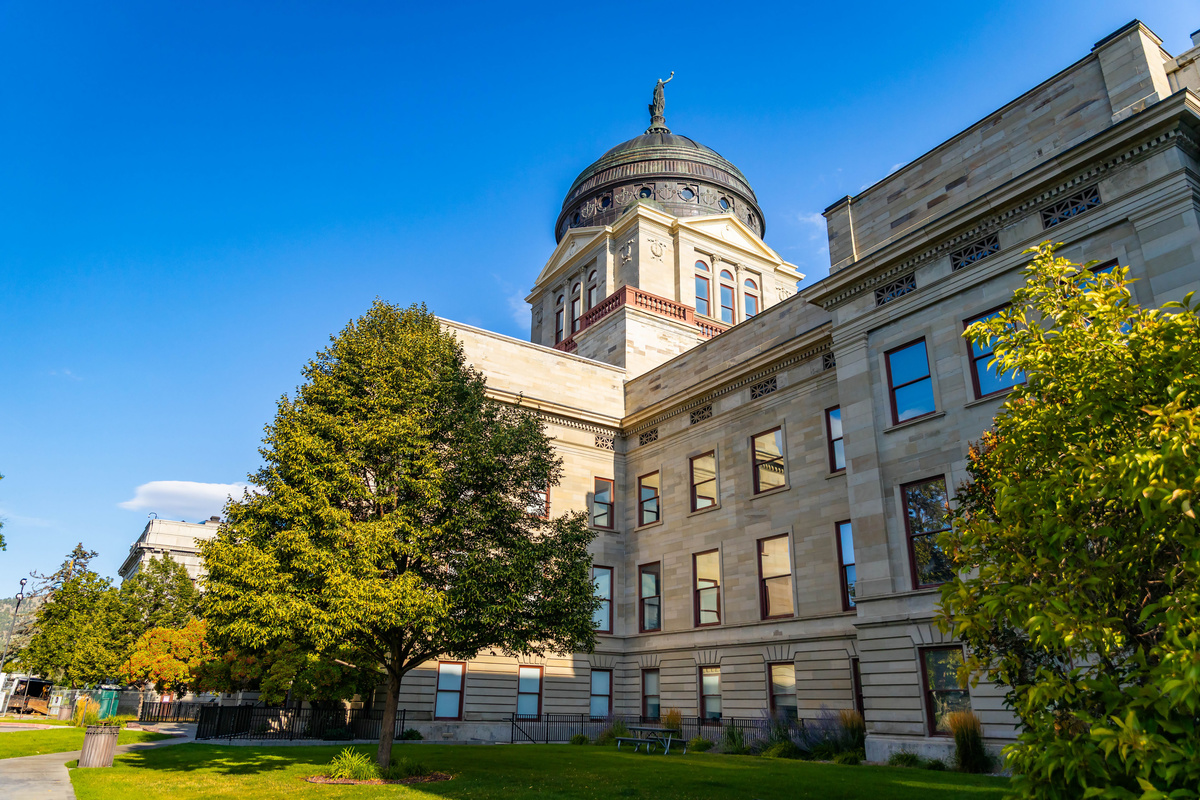
Compute power/computational resources: This term has appeared in a few bills, most notably in a Montana bill (MT SB 212) that was signed into law addressing computing power and the right to harness computing power (more on right to compute below). The Montana bill defined compute power as any tools, technologies, systems, or infrastructure, whether digital, analog, existing, or some other form, that facilitate any form of computation, data processing, storage, transmission, manipulation, control, creation, dissemination, or use of information and data.
Critical infrastructure: The definition of critical infrastructure varies slightly from state to state, but generally includes infrastructure necessary to support public health and safety. This includes public utility services, communications services, electric generating facilities, water and sewage pipelines, and any facilities or equipment related to their support and maintenance. Data centers are largely considered to be critical infrastructure due to the essential information technology services they provide, which can subject them to stricter governmental oversight. The Cybersecurity & Infrastructure Security Agency (CISA) considers facilities in the information technology sector, such as data centers, to be one of sixteen critical infrastructure sectors.
Digital asset mining operations: The term "digital asset mining operations" generally refers to organizations that use electricity to power a computer for the purpose of securing a blockchain network (essentially cryptomining operations). The digital assets referred to are various forms of cryptocurrencies, including stablecoins and nonfungible tokens. Cryptomining operations have come under scrutiny in some states, leading to increased legislative scrutiny around data centers used in cryptomining operations.
Qualified data center: "Qualified data center" is a term used to define what type of data center a bill is meant to apply to. This is typically measured by the amount of energy a data center uses, but is sometimes measured in computing power or the type of activities the data center is used to support, such as cryptomining.
Liquid cooling technology: Liquid cooling technologies use liquid to transfer heat away from IT equipment such as servers, chips, and racks. These technologies are in contrast to other cooling systems that rely on water evaporation and consequently require more water in order to operate. Liquid cooling technologies do not rely on evaporation, making them far less water intensive than other cooling methods. Water consumption is one of the concerns frequently raised about data centers, so technology that can reduce the amount of water a data center uses may be of interest to lawmakers and regulators.
Large load customer: Large load customers are customers of electric companies with large electricity demands. Utah, for example, defines large loads as those with 100 MW (megawatts) or more. But on average, large load customers start facing higher rates (large load tariffs) at 64 MW. Bills targeting large load customers often do not explicitly mention data centers, but data centers are one of the few facilities that would require such large power demands.
Small modular reactor (SMR): Small modular reactors are advanced nuclear reactors that have a power capacity of up to 300 MW per unit. These reactors are a fraction of the size of conventional nuclear power reactors and are able to be built in a factory and transported and installed at specified locations. While SMRs have received a decent amount of attention from state lawmakers due to their potential to utilize carbon-free energy, there are currently no SMRs online in the United States. Although US Energy Secretary Chris Wright has said that at least one will be online by the summer of 2026.
Backup generation/on-site generation: This term refers to generators located on-site at data centers in the event of a power outage or disruption. These generators are often powered by diesel and have become a flashpoint in communities with multiple data centers.
Foreign company/country of concern: This term is not exclusive to data centers. It's appearing in all types of legislation addressing imported goods from certain countries. Typically, when legislation refers to a foreign company or country of concern, they are referencing companies located in countries viewed as hostile or presenting national security threats to the United States. In virtually all cases, this includes China, however, it also frequently includes other countries such as Russia, North Korea, Syria, Venezuela, or Cuba. This type of language may be of particular concern where it includes manufacturers who make various data center components, particularly chips, servers, and routers.
Societal economic benefits test: This term is not currently common in data center legislation, but as data centers are increasingly under the microscope with policymakers, it could appear more often as legislators weigh the impact of data centers in their communities. This language was used in a bill that was enacted in 2025 in Colorado making adjustments to the state economic development rate tariff. The bill defined a societal economic benefit test as a test that includes, but is not limited to, the economic benefits received by all customer classes served by a utility and the economic development benefits including the total amount of taxes to be paid by a qualifying commercial or industrial customer, the amount of full-time jobs created, and other economic growth or benefits that are brought to the community as a result of having a qualifying commercial customer with an economic development rate.
Special use permit: Special use permits allow for land uses that are only permitted if they have been reviewed and approved by a zoning commission. Data centers are often located in areas that are zoned for industrial uses, and special permits are often required because data centers have characteristics that differ from other industrial buildings.
Right to Compute: The concept of a right to compute refers to the right to harness computing power. This is the basis of the Montana bill discussed earlier in this newsletter. While this is a relatively new idea, it may be a more frequent topic in the future, particularly as it relates to the types of information that data centers are used to process or the amount of computing power used.
States are considering hundreds of data center bills, and we expect activity to continue growing. To stay on top of this rapidly evolving landscape, we've launched MultiState Policy Watch: Data Centers – a subscription featuring legislative analysis, trend summaries, and expert insights across energy, tax, water, zoning, and other policy areas impacting data centers. Sign up here.
September 24, 2026 | Kim Miller
September 18, 2026 | Morgan Scarboro
September 1, 2026 | Morgan Scarboro, Izzy Aaron