Data Centers
State Lawmakers Look to "Behind-the-Meter" Policies for Data Centers
October 13, 2026 | Billy Culleton
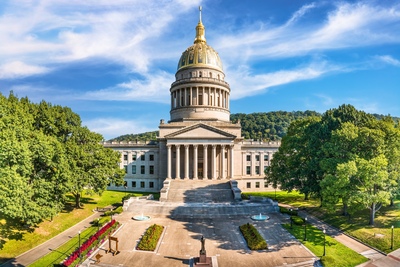
Seven states enacted behind-the-meter data centers legislation in 2025, allowing large energy users to source their own power and avoid lengthy utility interconnection queues. Oklahoma's SB 480 and Ohio's HB 15 removed barriers for data centers to self-generate electricity, while Texas SB 6 allowed large users to connect directly to existing generation sources. West Virginia created a microgrid program through HB 2014 that allows data centers to operate in certified districts, giving the state authority over local governments in regulating these arrangements. Activity on bring-your-own-power arrangements slowed in 2026 as data center backlash intensified, though New Jersey enacted A 796 to encourage large loads to bring their own generation from non-carbon-emitting sources. Maryland and Connecticut considered requiring data centers to meet a portion of their capacity through backup storage or off-grid suppliers rather than making behind-the-meter generation optional under state data center energy policy.
-ffe156-400px.jpeg)