
Energy & Environment
Advanced Recycling Legislative Trends During the 2026 Sessions
June 9, 2026 | Kim Miller
January 23, 2026 | David Shonerd
Key Takeaways:
At the end of each year, our policy analysts share insights on the issues that have been at the forefront of state legislatures throughout the session during their review of thousands of bills across all 50 states. Here are the big developments and high-level trends we saw last year in the energy policy space, plus what you can expect in 2026.
State lawmakers and energy planners across the country have been busy in 2025 planning how their states will handle the massive increases in energy consumption projected in the coming years. Energy planners predict data centers will use 300% more energy in 10 years compared to their current electricity use. The National Electrical Manufacturers Association (NEMA) recently published a report that predicts electricity demand to rise 50% by 2050.
The explosive growth in so-called “large load” energy consumers, such as data centers and electric vehicle battery manufacturers, is forcing policymakers to take a hard look at their infrastructure needs, energy supplies, and rising consumer energy bills, as well as the reliability of electric service itself.
Ensuring the reliability of electricity service, in addition to affordability and environmental impacts, for industries and consumers, is arguably the most important job of energy planners. Unreliable electric service with frequent blackouts due to outdated infrastructure, lack of energy supplies, or mismanagement would hinder future economic growth, not to mention cause havoc in constituents’ daily lives.
The ways in which state legislatures attempted to address energy reliability issues vary widely. In fact, the definition of “reliability” itself among the states varies widely.
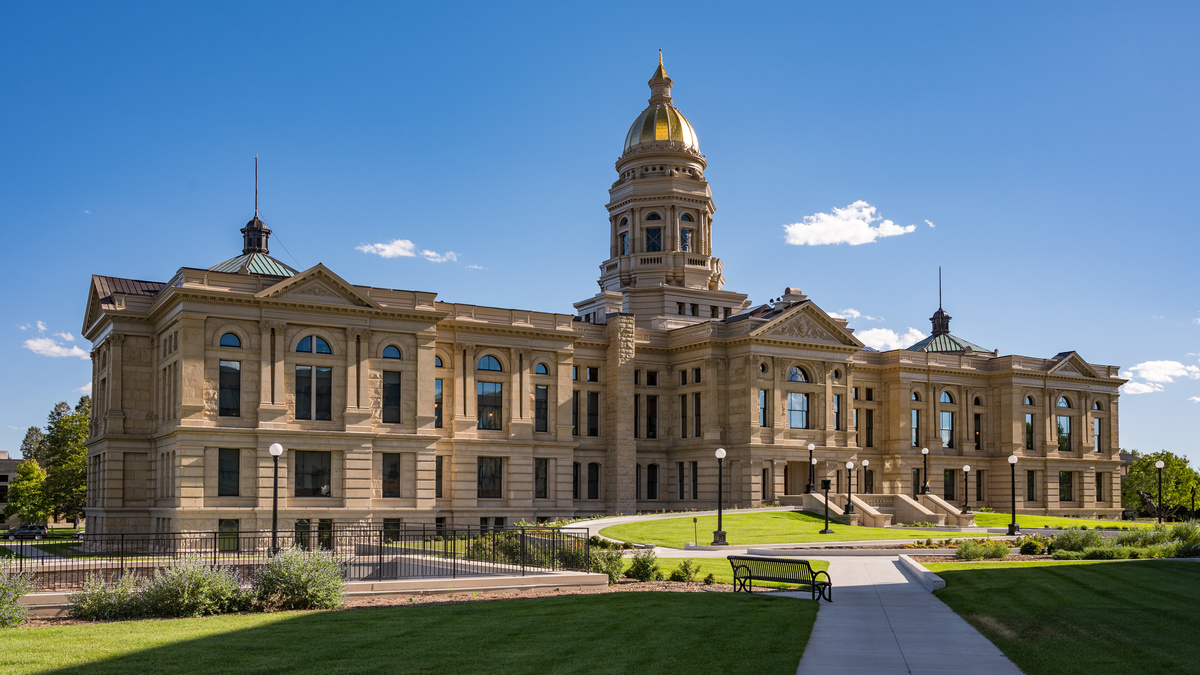
In Wyoming, for example, the nation’s largest coal-producing state, state law defines “reliable” energy to mean “electricity that is not subject to intermittent availability.” The term “intermittent availability” is used to downgrade the usefulness of renewable energy sources, such as wind and solar power, that may be impacted by weather conditions.
Lawmakers in North Carolina introduced legislation (NC HB 638) to similarly define “reliable” energy as a source of electricity that is “not subject to intermittent availability.” In West Virginia, lawmakers sought to tie “reliability” to the ability of a utility to recoup the cost of electricity generation (WV HB 505 ), meaning sources less reliable would have to be paid for by the utility rather than ratepayers, as is typically done. Louisiana lawmakers enacted a law in 2025 (LA HB 692), which “establishes state policy for affordable, reliable energy and grid resilience.” Legislators in Missouri (MO SB 6) and Arkansas (AR HB 1409) sought to require that the potential closure of any “reliable” electric generating plant must be equally or more reliable than the facility it replaced.
In several other states, meanwhile, the definition of “reliable” was proposed to be expanded to include nuclear energy plants, particularly their new cousin, the small modular reactor (SMR). No SMRs have yet been built in the U.S., but lawmakers across the country are counting on SMRs, which can generate 300 megawatts each, to power individual data centers in the future and general energy supplies. The U.S. Dept. of Energy declares “nuclear power is the most reliable energy source,” with the highest capacity factor, particularly compared to wind and solar, which the DOE website states have the least capacity.
New Jersey legislators introduced legislation (NJ AB 5517/SB 4689), which states that SMRs offer “enhanced reliability” and directs the NJ Board of Public Utilities to evaluate suitable locations in the state for two SMRs in the future. Indiana lawmakers adopted a bill (IN SB 423), which creates an SMR pilot program “for the purpose of providing a reliable source of electricity to meet the growing demand for electric utility service.” Lawmakers in Austin enacted legislation (TX HB 14) in June, which created a program to develop and deploy SMRs in the state. Likewise, legislators in Baton Rouge also created a task force (LA HR 249) to study and recommend policies to promote SMRs in Louisiana.
We expect an increase in the number of bills filed and laws enacted on the reliable energy front in 2026, and particularly legislation reflecting lawmakers’ recently revived interest in nuclear power options. Small modular reactors were one of the few issues to pass in both red and blue states in 2025, and support can be expected to grow further in 2026.
Environmental groups appreciate the zero-carbon emissions aspect of nuclear power, while lawmakers backing an “all of the above” strategy in regards to energy resources like SMRs as a more palatable alternative to “green energy” options like wind and solar.
While support for SMRs can be expected to grow in 2026, there is no doubt that energy reliability, infrastructure, and supplies will only become more prominent over the next few years as more large load customers come online. How states define “reliable” energy and shape policy in regards to meeting growing energy needs will have a significant impact on the monthly electric bills of constituents, the environmental impacts of continued fossil fuel use, and the nation’s future as a whole if it can meet those challenges successfully.
MultiState’s team is actively identifying and tracking energy issues so that businesses and organizations have the information they need to navigate and effectively engage. If your organization would like to further track these or other related issues, please contact us.
June 9, 2026 | Kim Miller
May 7, 2026 | Sandy Dornsife
March 20, 2026 | Daniel Kampf