Key Takeaways:
- At the end of each year, our policy analysts share insights on the issues that have been at the forefront of state legislatures throughout the year. Here are the big developments and high-level trends we saw in 2025 in the transportation space, plus what you can expect in 2026.
- In 2025, nearly 300 bills related to automated traffic enforcement were introduced across the U.S., with over half focused on automated speed cameras and red light camera laws.
- Several states, including Maryland, Massachusetts, and New York, expanded the use of automated traffic enforcement systems through new state traffic enforcement legislation, while Wisconsin considered but did not pass similar measures.
- Many new laws now limit automated speed cameras to specific areas like school zones, as seen in recent legislation from Louisiana and North Carolina, reflecting a trend toward targeted use of school zone speed cameras.
- Looking ahead to 2026, automated traffic enforcement is expected to remain a legislative focus, with ongoing debates around privacy, public safety, and potential federal influence on state policies.
At the end of each year, our policy analysts share insights on the issues that have been at the forefront of state legislatures throughout the session during their review of thousands of bills across all 50 states. Here are the big developments and high-level trends we saw last year in the transportation space, plus what you can expect in 2026.
How Automated Traffic Enforcement Systems Work
Automated traffic enforcement programs have been implemented across numerous states as a way to capture and enforce various types of traffic infractions. These systems use a camera equipped with radar or a laser to capture a vehicle’s license plate, and then issue citations for traffic offenses such as speeding, passing stopped school buses, parking in no-parking zones, and running red lights. Fines paid by violators are often used to help fund law enforcement and other government services. Eleven states currently ban the use of these systems fully or for a specific type of violation, such as speeding or red-light infractions.
2025 Legislative Activity and State Developments
Nearly 300 bills were introduced in 2025 addressing the use of automated traffic enforcement, with over half specifically relating to automated speed or red light enforcement systems. Just over 30 bills have been enacted so far, many in Maryland, though this number may increase due to active bills in Massachusetts authorizing localities to implement automated traffic enforcement programs.
State Expansion Efforts
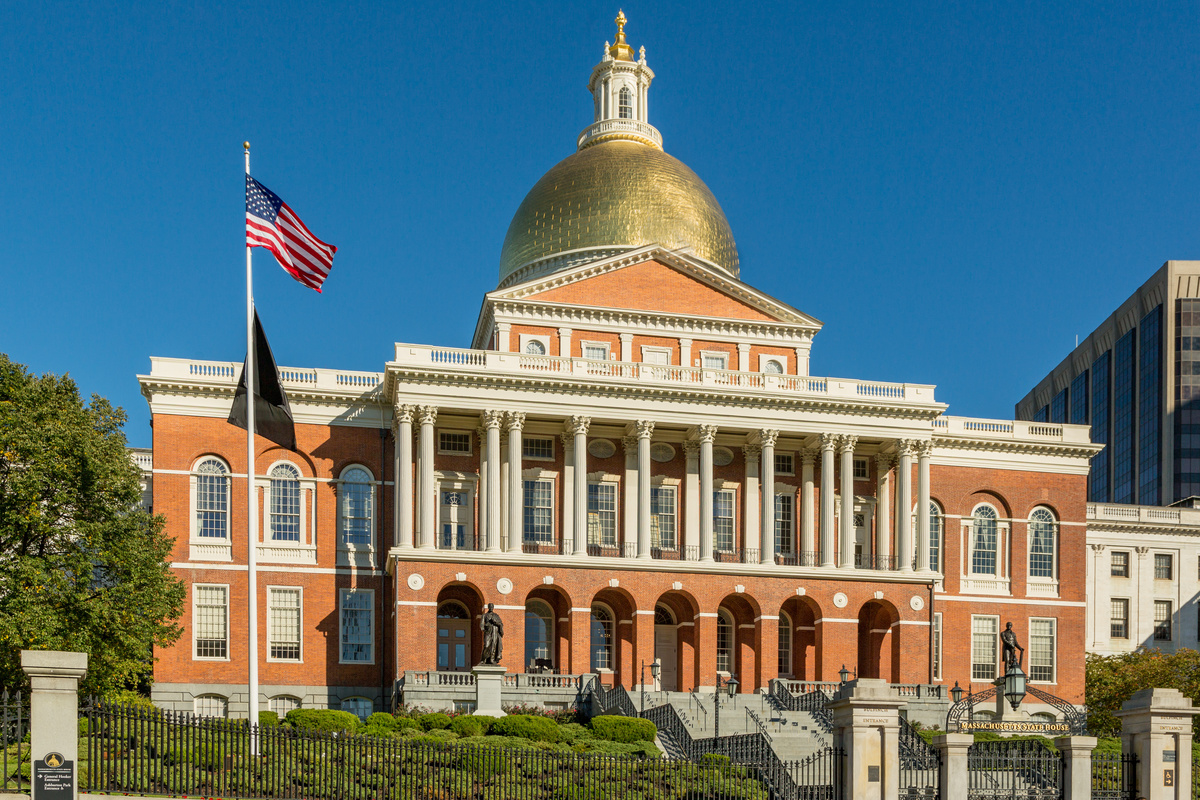
State lawmakers, including those in New York, Massachusetts, and Maryland, have continued to expand the use of automated traffic enforcement systems by introducing and enacting legislation permitting their use in various localities. Lawmakers in Wisconsin, a state that does not currently allow the use of automated speed cameras, introduced companion bills to allow the City of Milwaukee to use speed safety cameras, though neither bill has passed out of its respective chamber.
Targeted Implementation in High Risk Areas
Other states, along with the federal government, have aimed to permit the use of systems only in certain hazardous environments, usually school zones and construction zones. Louisiana legislators enacted legislation narrowing the use of automated speed cameras to active school zones. Lawmakers in North Carolina also passed legislation allowing the use of automated systems to detect speed violations in school zones. Additionally, U.S. Representative Pat Harrigan (R-NC) introduced legislation in September requiring 10% of Highway Trust Fund appropriations to be withheld from any state operating an automated speed enforcement program, with exceptions for school zones and some active construction zones.
What to Expect in 2026
Automated traffic enforcement systems will likely continue to be an ongoing area of legislative action for states as lawmakers grapple with privacy, public safety, and revenue considerations. Much of what happens in 2026 may depend on how far Congress goes in influencing the use of automated traffic enforcement by states. States may also incorporate greater privacy protections in legislation authorizing the use of these technologies, such as clarifying the parts of a vehicle that may be captured, how long images may be retained, and the personnel authorized to review images.
Tracking State Transportation and Infrastructure Legislation
MultiState’s team is actively identifying and tracking transportation and infrastructure issues so that businesses and organizations have the information they need to navigate and effectively engage. If your organization would like to further track these or other related issues, please contact us.
-682516-400px.jpeg)

-9b630e-400px.jpeg)