Key Takeaways:
- Rhode Island governor primary election polls show incumbent Dan McKee trailing challenger Helena Foulkes by 34 points, with 45% of likely voters supporting Foulkes compared to just 11% for McKee.
- Helena Foulkes, a former CVS Health executive, is leading the Dan McKee gubernatorial race despite 39% of voters remaining undecided, while McKee's disapproval rating has reached 76% among likely primary voters.
- An incumbent governor primary defeat would be rare in modern politics, with only three governors losing primaries since 2010 compared to nine in the 1970s, largely due to term limits and the shift from two-year to four-year terms.
- State gubernatorial elections 2026 already feature open races in 18 of 36 contests, and a McKee loss would bring the total number of states with new governors to at least 19.
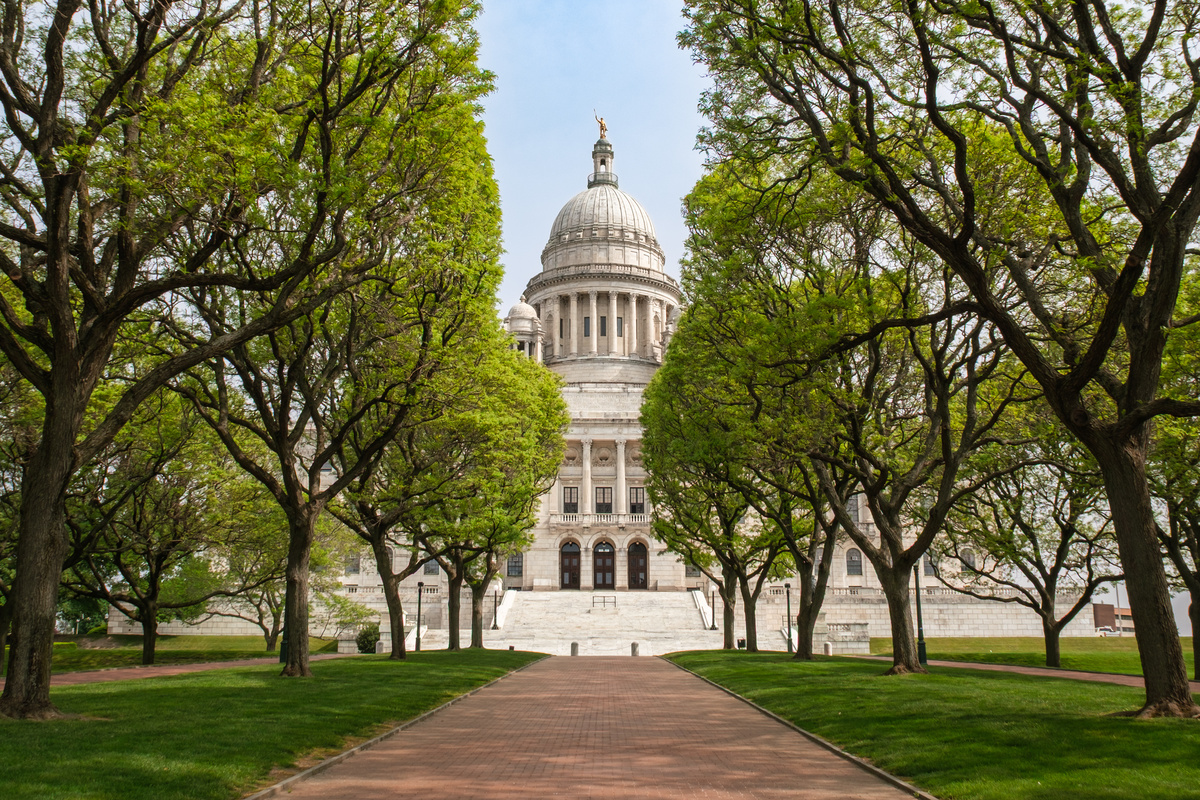
We’re well into campaign season for a big election year in the states. Four states have already held their primaries (with ten more set for May), but many state political parties don’t decide on official nominees until later in the year. One of those late states is Rhode Island, which holds its primary elections in September before the November election. But if that primary were held today, things aren’t looking great for incumbent Governor Dan McKee (D).
Governor McKee Trails Challenger by 34 Points in Rhode Island Primary Poll
The latest poll from the University of New Hampshire Survey Center has Gov. McKee down a whopping 34 points to challenger Helena Foulkes, a former CVS Health executive. That margin is a little deceiving since 39% of respondents were undecided, but 45% of likely primary voters said they would vote for Foulkes with only 11% pulling the lever for Gov. McKee. Morning Consult’s nationwide survey of gubernatorial approval ratings gave Gov. McKee the third-highest disapproval rate in the country at 44% late last year. Last week’s poll put Gov. McKee’s disapproval rate at a massive 76% from likely voters. Now, this University of New Hampshire poll might be an outlier, but Gov. McKee has been consistently down in the polls in the lead-up to this year’s primary election.
If Gov. McKee is unable to turn around his numbers over the next five months, he’ll be the rare incumbent governor who loses a partisan primary election. The last governor to do so was Kansas Gov. Jeff Colyer (R) in 2018. Like Governor McKee, Colyer succeeded to the governor’s mansion when the sitting governor stepped down. In Rhode Island’s case, Gov. Gina Raimondo left the governorship to become U.S. Secretary of Commerce, and in Kansas, Gov. Sam Brownback (R) resigned to become a U.S. ambassador. But in McKee’s case, he at least has secured a full elected term of office himself, defeating Ashley Kalus (R) in 2022 (while only besting Helena Foulkes by 3 points in the Democratic primary).
Historical Context of Incumbent Governor Primary Defeats
Why Incumbent Primary Losses Have Become Rare Since the 1970s
Gubernatorial incumbent defeats were not always so rare. While voters have ousted only three incumbent governors in primaries since 2010, in the 1970s nine governors lost primary battles. Two shifts help explain why incumbent primary defeats have become rarer: the emergence of term limits and the switch from two-year gubernatorial terms to four-year terms.
The Shift from Two-Year to Four-Year Gubernatorial Terms
States held 96 gubernatorial elections in the 1970s compared to only 82 in the 2010s. At the time, Arkansas, Rhode Island, Iowa, Kansas, and others held governor’s elections every two years rather than every four. States phased out two-year terms throughout the 1970s and 1980s, with only New Hampshire and Vermont retaining the practice. Additionally, term limits were rare before the 1990s, which allowed incumbent governors to run for reelection even after the electorate was ready to move on. Today, term limits remove most governors from office before they face the kind of voter fatigue that once fueled primary challenges.
Rhode Island Primary Could Add to Record Number of Open Governor Seats in 2026
Another reason to keep an eye on the Rhode Island primary is that this year will already feature open elections in 18 of the 36 gubernatorial contests. That means that at least 18 states will have new governors next year. If Gov. McKee loses the primary, while that won’t technically make the Rhode Island seat “open” since the incumbent ran for reelection, it does guarantee a new occupant of the governor’s mansion in Providence next year, bringing that number up to at least 19 states.
Track Elections and Other Political Activity
Federal and state elections and redistricting can have significant policy and regulatory implications for businesses and organizations. If your organization would like to further track federal and state elections, please contact us.