Legal, Employment & Labor
The New Economics of College Athletics (An Update on Name, Image, and Likeness Laws)
September 29, 2026 | Marvin Yates
July 30, 2026 | Sandy Dornsife
Key Takeaways:
The Supreme Court historically saves its most consequential and controversial decisions until right before its summer recess in July, and this year was no different. Numerous landmark decisions were released in the last two weeks of June, and the actions taken in these cases, as well as the inaction taken in others, will have ripple effects across the country.
The most widely anticipated decision of the year was indisputably the case challenging President Trump’s January 2025 Executive Order “Protecting the Meaning and Value of American Citizenship,” which asserted that the Fourteenth Amendment of the Constitution does not grant citizenship to children born here to mothers who were in the country illegally, or who were here legally but only temporarily, unless the father was a citizen or a green card holder. The order was part of a broad range of policies seeking to impose greater restrictions on immigration. On June 30, the court ruled against the President’s interpretation, instead upholding the understanding of the Amendment that has been held since its inception that nearly everyone born on U.S. soil is a citizen. The vote was 6-3 to invalidate the executive order, but only five of the justices agreed that the order violated the 14th Amendment’s guarantees of citizenship to anyone born in the United States. The remaining justice, Justice Kavanaugh, felt that the order was only impermissible because it violated a federal statute and did not violate the 14th Amendment.
Transgender athletes have been one of the main points of contention in the ongoing debate over transgender rights, with over half of the states implementing either a state law, regulation, or policy that bans transgender students from participating in sports consistent with their gender identity. Two cases challenged West Virginia’s 2021 “Save Women’s Sports Act” as well as Idaho’s 2020 “Fairness in Women’s Sports Act”. Both laws limit girls’ and women’s teams to students whose sex at birth was female. The students who sued argued the laws violated the Constitution's Equal Protection Clause, and in the West Virginia case, Title IX, the federal law barring sex discrimination in schools. The Court ruled 6-3 in favor of the states’ ability to impose these restrictions in sports in a single opinion issued by Justice Kavanaugh. The three dissenting justices (Justices Sotomayor, Kagan, and Jackson) agreed with the majority that the laws do not violate Title IX, but they did not think the court had enough information to decide whether the laws violated the Equal Protection Clause.
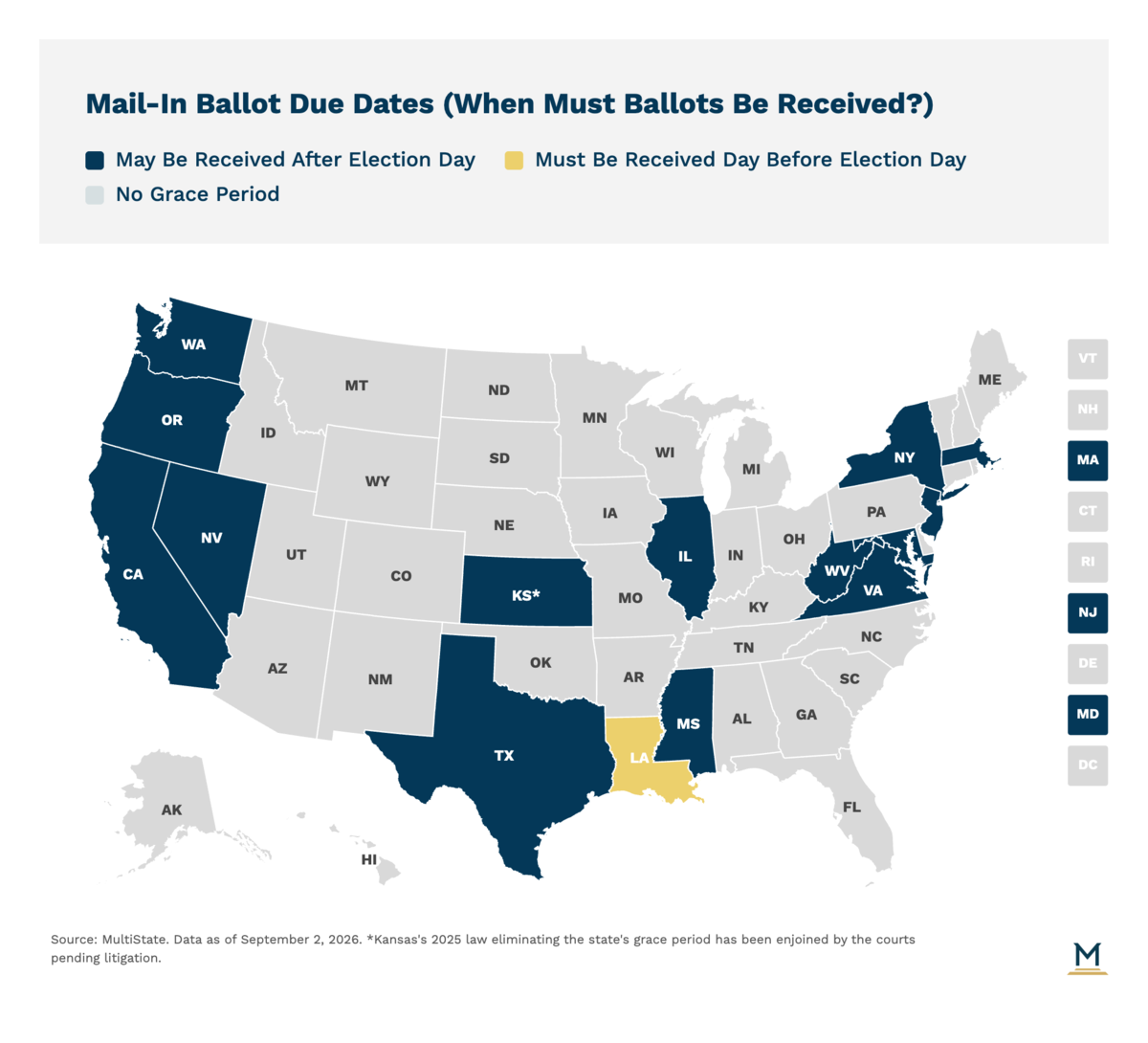
President Trump has made no secret of his skepticism of mail-in voting and has pushed for restrictions on a process that is normally left to the states. In Watson, the Republican National Committee challenged the state of Mississippi’s policy of counting absentee ballots received up to five business days after the election so long as they were postmarked on or before election day. The Committee, along with several other parties, argued that “election” consists of both ballot casting and receipt, and since federal law sets a specific date for an election, counting votes after the fact is illegal. In a 5-4 decision, consisting of the three liberal justices as well as Justices Barrett and Roberts, the Court ruled in favor of the state’s ability to provide a grace period for accepting absentee ballots. Currently, fourteen states permit such grace periods.
Almost as important as the actions taken by the Supreme Court are the cases in which the Court chose not to act at all. The Court denied review of several noteworthy cases, including RMS of Georgia v. EPA, which challenged an EPA rule phasing out hydrofluorocarbons from use in air conditioners and refrigerators, leaving the lower court’s decision to uphold the rule in place. The Court also denied review of Arkansas United v. Thurston to determine whether private individuals can enforce the Voting Rights Act’s right to allow voters to receive help if they are blind, disabled, or cannot read or write as part of a challenge contesting an Arkansas state law prohibiting anyone other than election officials from helping more than six voters. The lower court’s ruling (that only the U.S. Justice Department can bring such suits) will now remain in place. In contrast, an Arizona case, Republican National Committee v. Mi Familia Vota, went the other way. The justices agreed to hear it, but arguments won't start until October, so the Court won't rule before the November elections.
Federal and state legal activity can have significant policy and regulatory implications for businesses and organizations. If your organization would like to further track federal and state legal activity, please contact us.
What did the Supreme Court rule about birthright citizenship in Trump v. Barbara?
The Supreme Court ruled 6-3 to invalidate President Trump's January 2025 executive order that attempted to deny citizenship to children born in the U.S. to mothers who were in the country illegally or temporarily. Five justices found the order violated the 14th Amendment's citizenship guarantees, while Justice Kavanaugh agreed it was impermissible but only because it violated federal statute. The decision upholds the longstanding interpretation that nearly everyone born on U.S. soil is a citizen.
Can states ban transgender athletes from competing in sports consistent with their gender identity?
Yes, the Supreme Court ruled 6-3 that states can restrict girls' and women's sports teams to students whose sex at birth was female. The decision upheld West Virginia's Save Women's Sports Act (H.B. 2917) and Idaho's Fairness in Women's Sports Act (H.B. 500), finding these laws do not violate Title IX or the Equal Protection Clause. Over half of U.S. states have now implemented similar bans through laws, regulations, or policies.
How many states allow absentee ballots to be counted after election day if postmarked on time?
Fourteen states currently permit grace periods for accepting absentee ballots that arrive after election day as long as they were postmarked by election day. The Supreme Court ruled 5-4 in Watson v. Republican National Committee that Mississippi's policy of counting absentee ballots received up to five business days after the election is legal. The decision affirms that states have authority to set these grace period policies.
What happens to EPA regulations when the Supreme Court denies review of a challenge?
When the Supreme Court denies review, the lower court's decision remains in place and becomes the final ruling. In RMS of Georgia v. EPA, the Court's denial of review left intact the lower court's decision upholding an EPA rule that phases out hydrofluorocarbons from air conditioners and refrigerators. This means the EPA rule continues to be enforceable.
Can private citizens sue to enforce Voting Rights Act protections for voters who need assistance?
No, according to the current legal precedent after the Supreme Court denied review in Arkansas United v. Thurston. The lower court's ruling that only the U.S. Justice Department can bring such enforcement suits now remains in place. This decision affects challenges to state laws like Arkansas's restriction that prohibits anyone other than election officials from helping more than six voters. Before the FAQ section, output
September 29, 2026 | Marvin Yates
-f5e651-400px.jpg)
June 10, 2026 | Sandy Dornsife
May 12, 2026 | Mary Kate Barnauskas