Data Centers, Tax & Budgets
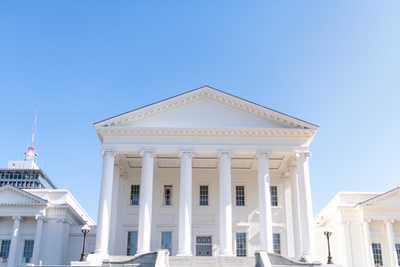
Virginia Lawmakers Pass 15 Data Center Bills as Tax Exemption Fight Looms
March 30, 2026 | Morgan Scarboro, Kim Miller
Key Takeaways:
Water use is one of the primary environmental considerations that state legislators are addressing in data center legislation. Water is used in data centers to help cool computing equipment, but how much water is used depends on the type of cooling technologies. As such, lawmakers have been slower to enact legislation targeting water use by data centers in a similar manner to energy consumption. Here are some ways states are considering measuring and regulating water used by data centers.
One of the hurdles surrounding the water use of data centers is a lack of clarity surrounding how much water is being used and the local impact. In response to this, lawmakers are continuing a trend that emerged last year: considering legislation that would require data center operators to report on their water usage.
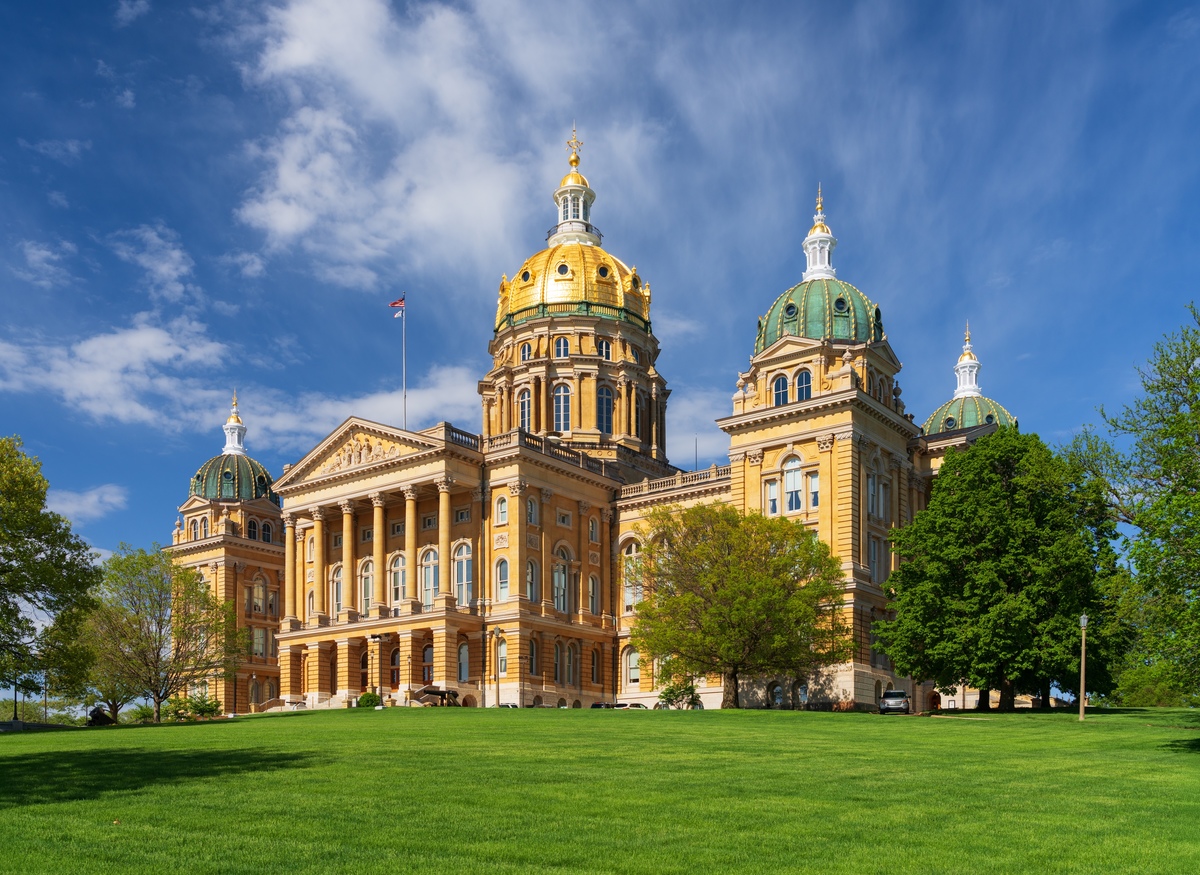
Of the states that are considering enacting legislation requiring reports on water usage at data centers, there are some variations in approach. In California, lawmakers are considering legislation (CA AB 1577) requiring data center owners to submit monthly reports to the State Energy Commission on energy and water consumption and effectiveness. In Iowa, legislators are considering a slightly less onerous approach with legislation (IA HF 2447) requiring data center quarterly water usage reports be submitted to the Iowa Department of Natural Resources. Meanwhile, in Michigan, lawmakers are considering legislation (MI SB 762) placing the reporting burden on the Public Service Commission by requiring annual reports detailing the total amount of water used by each data center in a public water supply’s service area for the previous year. It’s worth noting that some major data center operators voluntarily disclose their water consumption.
In Iowa, legislators have borrowed an idea that has appeared in energy legislation targeting data centers and introduced a bill (IA HF 2261) that would create a new customer class for water utilities. Specifically, the bill requires water utilities that provide service to energy facilities that require at least 20 MW of power to create a customer class that is separate and distinct from other customer classes to have its own rates, charges, and schedules. While this idea was considered in several states last year regarding electric utilities, this is some of the first legislation directing water utilities to do the same. Although this bill is unlikely to move in Iowa, we wouldn’t be surprised to see it introduced in other states.
Some states are considering legislation requiring that closed loop cooling systems be used in data centers. Closed loop cooling systems cool computing equipment in data centers using technologies that do not require water evaporation, making this method of cooling less water intensive.
In South Carolina, legislation (SC HB 4583) mandating closed loop cooling systems is gaining a bipartisan group of co-sponsors. Specifically, this bill requires that data centers use closed loop systems that result in zero net water withdrawal and net zero wastewater discharge. Additionally, this legislation prohibits data centers from extracting groundwater or using municipal water for data center cooling systems. In Kansas, lawmakers are considering legislation (KS SB 400) requiring closed loop cooling systems and allowing municipalities, local district attorneys, and the state attorney general to sue for injunctions for data centers that are in violation.
In Virginia, legislators are considering a slightly different approach in legislation (VA SB 417) that conditions receiving funds from the Cloud Computing Cluster Infrastructure Grant Funds on using treated wastewater in cooling systems, reducing reliance on potable water supplies. While this legislation does not mandate closed loop cooling systems, it instead focuses on the type of water being used to cool computing equipment. Virginia has a short legislative session, and this bill did not make it out of the Senate before the crossover deadline last week, but will be considered when the legislature reconvenes in 2027. Additionally, Virginia budget amendments (VA SB 30), conditions eligibility for the state’s data center tax credit on investing in environmental management and energy efficiency measures. (The House version, VA HB 30, would eliminate the sales tax exemption for data centers altogether).
Some states are taking steps to ensure general transparency among data center operators. The Georgia legislature is considering a bill (GA SB 421) prohibiting local governments from entering into nondisclosure agreements (NDAs) with data center operators where the agreement prohibits utilities from disclosing information on energy and water usage. This legislation was introduced after a public records request in Georgia resulted in documents being released that redacted information related to water usage. The use of NDAs in data center projects has been criticized, but many types of new development projects outside of data centers enter into NDAs with local governments and economic development authorities.
At this point in time, it is hard to say exactly what will be required of data centers and their water demands over time. However, what is clear is that while lawmakers may initially be focusing on ensuring data centers pay their own energy costs, lawmakers are taking steps to understand the impact data centers are having on water supplies in their communities.
Last year, states considered hundreds of data center bills, and we expect activity to continue growing in 2026. To stay on top of this rapidly evolving landscape, we've launched MultiState Policy Watch: Data Centers – a subscription featuring legislative analysis, trend summaries, and expert insights across energy, tax, water, zoning, and other policy areas impacting data centers. Sign up here.
March 30, 2026 | Morgan Scarboro, Kim Miller
-eee9cd-400px.jpeg)
March 13, 2026 | Morgan Scarboro, Billy Culleton
March 3, 2026 | Billy Culleton