Tax & Budgets, Elections & Campaigns
Tax Policy is on the Ballot this Fall (Property Tax Exemptions and More)
July 17, 2026 | Andrew Jones
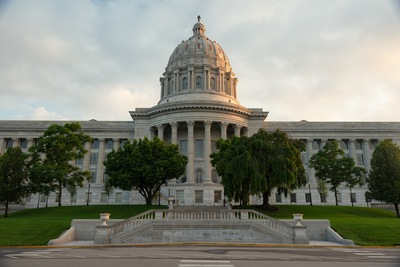
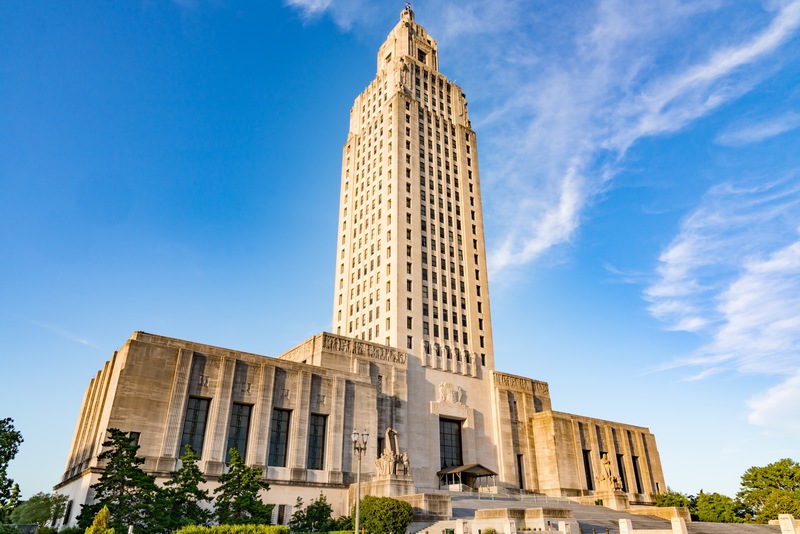
At least 27 state tax ballot measures will be decided in 2026, covering income tax reductions, property tax exemptions, and wealth taxes across multiple states. Missouri's Amendment 5 would lift a constitutional cap on the sales tax base to enable future personal income tax reductions, while Florida's Amendment 3 proposes increasing the homestead property tax exemption to $250,000. California voters will decide both Proposition 40, which would impose a one-time 5% wealth tax on billionaires, and Proposition 3, which would make the state's top income tax rates permanent beyond their 2031 expiration date. North Carolina has two constitutional amendments on the ballot that would reduce the income tax limit from 7% to 3.5% and require the legislature to cap local property tax increases. Tennessee's ballot measure would prohibit the legislature from ever levying a statewide property tax, while Arizona voters will consider measures to limit local sales taxes on groceries and ban vehicle miles traveled taxes.